
لقد تأخر متصفح الكمبيوتر الشخصي الجديد من سامسونج عقدًا من الزمن ليكون قاتل Chrome
أحدثت سامسونج بعض الضجيج مع إطلاق متصفح الإنترنت الخاص بها لنظام التشغيل Windows، حيث عرضته على أنه خطوة كبيرة نحو تجربة سلسة عبر الأجهزة.
ولكن هذه هي الحقيقة بعبارات واضحة. لنكون صادقين، فقد اختفت فرصة ظهور متصفح آخر على أجهزة سطح المكتب منذ فترة طويلة.
يسيطر Chrome وEdge على السوق، ويتطلب الأمر شيئًا جديدًا تمامًا لإقناع أي شخص بترك ما يستخدمه بالفعل.
لقد قمت بتجربة Chrome وOpera وFirefox وSamsung Internet لمدة شهر، وهذا هو حكمي
المواجهة النهائية للمتصفح وصلت أخيرًا
لماذا يكاد يكون من المستحيل اختراق سوق متصفح سطح المكتب
لقد تم تثبيت متصفحات سطح المكتب لسنوات عديدة، ويواجه أي وافد جديد جدارًا يكاد يكون من المستحيل تسلقه، بغض النظر عن مدى جودة التكنولوجيا.
انظر إلى الأرقام اعتبارًا من أكتوبر 2025. ويستحوذ Chrome على نسبة هائلة تصل إلى 78.23% من حصة سطح المكتب العالمية. وهذا يعني أن ما يقرب من ثمانية من كل عشرة أشخاص موجودون بالفعل في عالم Google.
تصبح هذه الهيمنة أكثر وضوحًا عندما تنظر إلى أي شخص آخر. يأتي Microsoft Edge مثبتًا مسبقًا على نظام التشغيل Windows ولا يزال يصل إلى 8.65% فقط.
Safari، الذي يركب نظام Apple البيئي بأكمله، يبلغ 4.61%. هذا الإعداد يترك سامسونج تقاتل من أجل نسب ضئيلة، في محاولة للمطالبة بأي قصاصات تركتها الشركة العملاقة.
ما يمنح Chrome قوة البقاء على المدى الطويل
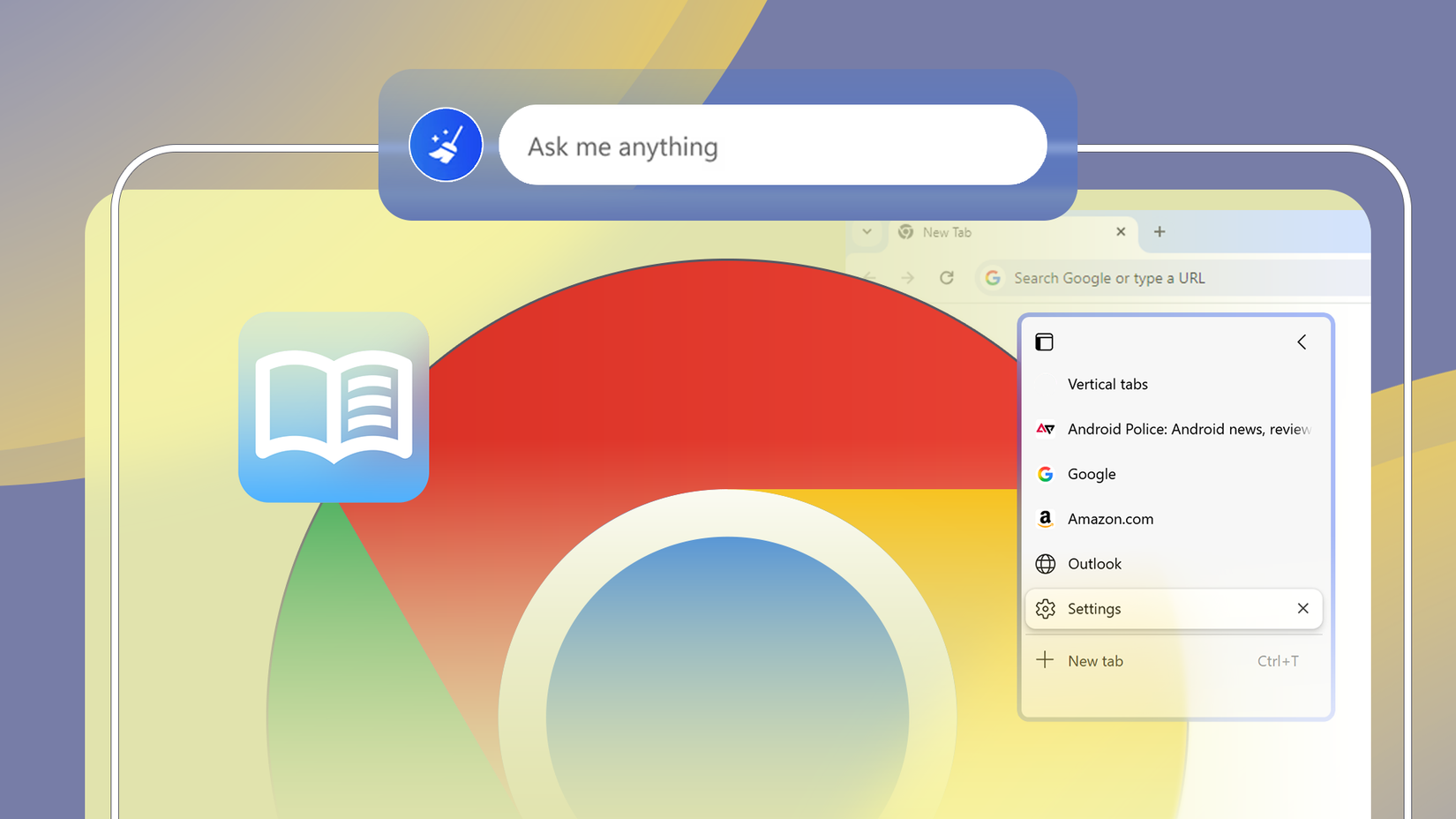
الائتمان: لوكاس جوفيا / شرطة أندرويد
لم يظل Chrome في المقدمة فقط لأنه قوي من الناحية الفنية. إنه يحتفظ بمكانته لأن كل شيء حوله يعمل معًا بطريقة تجعل التبديل مؤلمًا لمعظم الناس.
يعمل نظام Google البيئي على إبقاء الأشخاص مرتبطين بمتصفح Chrome
يعد Chrome في الأساس الباب الأمامي لكل ما تقدمه Google. تعتبر المزامنة سهلة لأن كل ما تحتاجه هو حساب Google، ويعمل بنفس الطريقة على أنظمة التشغيل Windows وmacOS وAndroid وiOS.
عندما تتعامل مع أدوات أساسية مثل Gmail، وDocs، وDrive، فإن هذا الاتساق مهم.
أي شخص يعتمد عليه مساحة عمل جوجل وينتهي الأمر بالارتباط بمتصفح Chrome لأن التبديل يكسر الإيقاع السلس لسير العمل اليومي.
تحتفظ Google بميزتها بكونها عالمية. وفي الوقت نفسه، تعتمد سامسونج على نموذج يعمل بشكل جيد فقط داخل نظامها البيئي الخاص.
ميزة الوظائف الإضافية في Chrome وسبب أهميتها
ملحقات هي أحد الأسباب الرئيسية وراء احتفاظ Chrome بقبضته القوية على المستخدمين. مكتبتها هائلة وتنمو منذ سنوات.
ويعتمد الناس على هذه الأدوات في كل شيء، بدءًا من أعمال التطوير وحتى الإنتاجية، والعديد منها ضروري.
يعرف المطورون ذلك ويصدرون أدواتهم إلى سوق Chrome الإلكتروني قبل أي شيء آخر. وهذا يجذب المزيد من المستخدمين إلى Chrome، مما يشجع المزيد من المطورين على المتابعة.
يمكن أن يظهر متصفح جديد مزودًا بالتكنولوجيا الحديثة ومحرك العرض نفسه، لكنه لا يزال ليس لديه طريقة لبناء هذا النوع من النظام البيئي بين عشية وضحاها.
ما الذي يقدمه Samsung Internet لأجهزة الكمبيوتر الشخصية وأين ينقصه
تصوير: لوكاس جوفيا / شرطة أندرويد
يصل تطبيق Samsung Internet إلى سطح المكتب مع ميزات تعتمد على ما تفعله سامسونج بشكل جيد بالفعل، وخاصة النظام البيئي للأجهزة وأدوات الذكاء الاصطناعي المتنامية.
وهذه مزايا حقيقية، على الرغم من أنها تخلق أيضًا حدودًا يصعب التغلب عليها.
يعمل Samsung Internet بشكل أفضل لمستخدمي Samsung Galaxy فقط
تتمثل نقطة البيع الرئيسية لبرنامج Samsung Internet على جهاز الكمبيوتر في مدى سلاسة مزامنة معلومات التصفح الخاصة بك.
سامسونج كلاود و سامسونج باس حافظ على محاذاة الإشارات المرجعية والسجل وكلمات المرور الخاصة بك عبر الأجهزة، وتتيح لك ميزة “المتابعة على جهاز آخر” التقاط نفس صفحة الويب عند الانتقال من هاتف Galaxy إلى جهاز الكمبيوتر الخاص بك.
المهم هو أن كل هذا لا يعمل بكامل قوته إلا إذا قمت بتسجيل الدخول باستخدام حساب Samsung نفسه وامتلكت هاتف Galaxy أو جهازًا لوحيًا متوافقًا.
يساعد تكامل الذكاء الاصطناعي من سامسونج، ولكن إلى حد ما فقط
أكبر ميزة بارزة في سامسونج هي إضافة Galaxy AI، وخاصة أداة مساعدة التصفح. يمكنه تلخيص صفحة الويب أو ترجمتها على الفور، مما يجعل البحث في المعلومات أسرع كثيرًا.
إحدى نقاط البيع الرئيسية هي تركيز سامسونج على الخصوصية. يمكنك تشغيل معالجة البيانات المحلية لميزات مثل مساعد التصفح، والتي تتيح لك استخدام أدوات الذكاء الاصطناعي دون إرسال بيانات التصفح الخاصة بك إلى خوادم سامسونج.
يأتي تركيز سامسونج على الخصوصية بمقايضة حقيقية. عندما تعمل أدوات الذكاء الاصطناعي دون الاتصال بالإنترنت، عادةً ما تبدو المعالجة أبطأ أو أقل دقة. يصمد Gemini بشكل جيد في الوضعين غير المتصل بالإنترنت والسحابي، لذلك يظل سريعًا في كلتا الحالتين.
الجوزاء 2.0: خمسة تغييرات رئيسية تحتاج إلى معرفتها
يوفر Gemini 2.0 إمكانات الذكاء الاصطناعي الجديدة لنظام Google البيئي
الميزات التي تجعل Samsung Internet يستحق التجربة
المكان الوحيد الذي يبرز فيه Samsung Internet هو الخصوصية. يأتي مزودًا بميزة Smart Anti-Tracking، وأداة حظر الإعلانات المضمنة، ولوحة تحكم الخصوصية التي توضح لك بالضبط ما أوقفه المتصفح كل يوم.
بالنسبة للأشخاص الذين سئموا من التتبع المستمر عبر الويب، فإن هذا المستوى من الحماية يعد سببًا قويًا للتبديل.
ولكن هناك مجموعة صغيرة فقط من مستخدمي سطح المكتب على استعداد للتعامل مع متاعب تبديل المتصفحات والابتعاد عن نظام Google البيئي فقط من أجل خصوصية افتراضية أقوى.
وإذا قاموا بالقفزة، فهناك خيارات أفضل تركز على الخصوصية.
تكتسب شركة Samsung Internet الفضل في وضع التحكم في البيانات في المقام الأول، ولكن هذا وحده لن يحدث تحولًا كبيرًا أو يهدد تقدم Chrome الهائل.
يلتزم معظم الأشخاص بما هو سهل ومألوف بدلاً من تشديد إعدادات الخصوصية الخاصة بهم.
متصفح ثانوي قوي، وليس افتراضيا جديدا
يعد Samsung Internet for PC إضافة قوية لأي شخص يستخدم جهاز Galaxy بالفعل. أدوات الخصوصية و ميزات غالاكسي AI مثيرة للإعجاب حقا.
ويكمن التحدي في أن المتصفح يعتمد بشكل كبير على أجهزة سامسونج، ولديه دعم محدود للإضافات، ويدخل إلى مساحة سطح المكتب التي قام Chrome بتأمينها منذ سنوات.
حتى باعتبارك أحد مستخدمي Galaxy، إذا كان عملك يعتمد على Google Workspace، فلا يزال Chrome أكثر منطقية للاستخدام اليومي. يظل Samsung Internet بمثابة متصفح إضافي مناسب بدلاً من المتصفح الرئيسي.
■ مصدر الخبر الأصلي
نشر لأول مرة على: www.androidpolice.com
تاريخ النشر: 2025-11-21 15:00:00
الكاتب: Ben Khalesi
تنويه من موقع “yalebnan.org”:
تم جلب هذا المحتوى بشكل آلي من المصدر:
www.androidpolice.com
بتاريخ: 2025-11-21 15:00:00.
الآراء والمعلومات الواردة في هذا المقال لا تعبر بالضرورة عن رأي موقع “yalebnan.org”، والمسؤولية الكاملة تقع على عاتق المصدر الأصلي.
ملاحظة: قد يتم استخدام الترجمة الآلية في بعض الأحيان لتوفير هذا المحتوى.